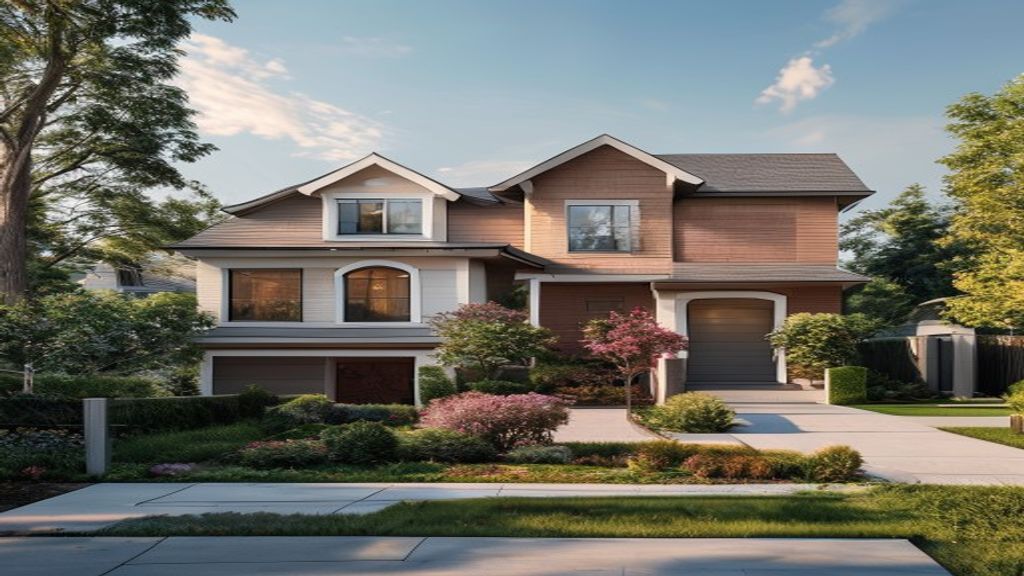
Introduction – Why the First Impression Counts
You’ve poured weeks of effort into getting your house market‑ready, yet a single misstep can shave thousands off the final sale price. Homeowners who get the pricing and staging right from day one usually walk away with offers that match—or even exceed—their expectations. Below you’ll find the exact tactics seasoned agents rely on, broken down into bite‑size actions you can start implementing right now.
1. Unlock the Highest Offer: How to Price Your Home Right the First Time
Start with data, not guesswork. Pull recent sales of comparable homes (often called “comps”) within a five‑mile radius and note price per square foot, days on market, and any upgrades.
- Adjust for condition: A freshly painted kitchen adds roughly $5,000–$7,000 in perceived value in most markets, according to local appraisers.
- Factor in timing: Listings launched in the spring typically fetch 2‑5 % more than those posted in the winter, because buyer activity spikes.
Set a strategic price band, not a single figure.
- Low‑end anchor: Position the asking price a few percent below the median of your comps to attract early interest and spark a bidding war.
- High‑end ceiling: Keep the top of the range realistic; an inflated price can stall showings and force a later reduction, which psychologically signals “trouble.”
Test the market with a soft launch. Some agents list the property privately for a week before going public, gathering feedback from real‑estate professionals and adjusting the price before the official MLS debut. This approach reduces the need for a public price cut later on.
2. Stage to Win: Proven Staging Hacks That Turn Browsers into Buyers
First‑impression rooms should tell a story. A living room that feels like a cozy gathering spot sells faster than one that looks like a storage closet.
- Declutter aggressively: Remove personal photos, excess décor, and any items that suggest future renovations. A clean canvas lets buyers envision their own life there.
- Create focal points: Arrange furniture around a natural focal point—often a fireplace or a large window. Use a tasteful rug to define the space and guide traffic flow.
Low‑cost visual upgrades that make a big impact.
- Neutral palette: A fresh coat of light‑gray or warm beige on walls can brighten the space and hide minor imperfections.
- Strategic lighting: Add floor lamps or table lamps with warm bulbs (2700 K–3000 K) to eliminate shadows and make rooms feel larger.
- Green touches: A potted olive tree or a simple vase of seasonal flowers introduces life without breaking the bank.
Stage each key area with purpose.
- Kitchen: Place a bowl of fresh fruit on the countertop; it signals cleanliness and ready‑to‑use space.
- Master bedroom: Limit the bed to one headboard and nightstand each side, keeping the room uncluttered and restful.
- Outdoor: Set a small table and two chairs on the front porch; it instantly suggests a lifestyle of relaxed entertaining.
By applying these focused tweaks, you guide potential buyers through a narrative where every room feels purposeful—turning casual browsers into serious offer‑makers.
3. Curb‑Appeal Power Moves – Low‑Cost Upgrades That Boost Perceived Value
First impressions travel faster than a real‑estate postcard. A tidy driveway, fresh mulch, and a clean mailbox can make a property feel well‑maintained, even before a buyer steps through the front door.
Paint the front door
A crisp coat of navy, charcoal, or even a warm amber adds instant character. Choose a hue that complements the house’s trim; a two‑hour weekend project often yields a return that rivals a full‑scale remodel.
Upgrade the house numbers
Modern metal numerals replace dated plastic ones, signaling attention to detail. Pair them with a small LED lantern for nighttime visibility—an inexpensive tweak that feels upscale.
Add a splash of greenery
A few hardy shrubs, a container of succulents, or a modest garden box give the façade a lived‑in vibe. If you’re scouting inspiration, glance at the apartments available now in your neighborhood; many of them use simple planters to create a welcoming streetscape.
Refresh the walk‑way
A quick power wash removes grime, while a thin layer of sand or stone creates texture. For a touch of elegance, lay a narrow border of brick or stepping stones; the cost is modest, but the visual payoff is significant.
Light the pathway
Solar stake lights or low‑voltage sconces cast a warm glow, extending the home’s appeal into dusk. Position them evenly to guide the eye toward the entry, and you’ll subtly suggest safety and hospitality.
When you combine these moves, the exterior reads like a polished invitation—one that encourages buyers to imagine their own memories unfolding there.
4. Master the Listing: Crafting Photos & Descriptions That Capture Hot Leads
Even the most polished curb appeal can stall if the online listing feels flat. Today’s shoppers skim, compare, and decide within seconds, so every image and line of copy must earn their attention.
Start with a professional photographer
A DSLR camera and a wide‑angle lens capture rooms in a way a smartphone cannot. Professionals know how to balance exposure, avoid distortion, and highlight architectural features—essential for standing out among dozens of competing posts.
Stage for the camera, not just the walk‑through
Place a vase of fresh citrus on the kitchen island; it adds a pop of color and signals “move‑in ready.” Keep décor minimal, but include a few lifestyle items—a book on the coffee table or a set of plush towels—to give buyers a mental picture of daily life.
Edit with consistency
Apply a subtle, neutral filter across all images so the palette feels cohesive. Brightness and contrast adjustments should enhance natural light without making rooms look artificial.
Write a description that tells a story
Begin with a headline that mentions the strongest selling point—e.g., “Sun‑filled family home with newly landscaped front yard.” Follow with a concise paragraph that outlines the layout, recent upgrades, and neighborhood perks. Sprinkle in a line about the luxury estate agents who handled the property, subtly implying professional endorsement.
Use keyword‑rich, but natural, phrasing
Integrate phrases like “spacious master suite,” “energy‑efficient windows,” and “close to downtown amenities” to capture search queries. Avoid stuffing; let the language flow as if you’re talking to a friend who’s curious about the home.
Add a virtual tour or video walk‑through
Even a 30‑second walkthrough filmed on a smartphone can increase engagement by 30 % according to field experience. Highlight the flow from the front porch to the living room, then glide through the kitchen—showing buyers the continuity of space.
Finally, end the listing with a clear call‑to‑action: “Schedule a private showing today” or “Contact us for a live video tour.” By pairing compelling visuals with a narrative that sparks imagination, you turn casual browsers into serious inquiries—exactly the conversion you need to secure the highest offer.
As you embark on the journey of selling your home, remember that each strategic decision you make, from pricing and staging to negotiation and marketing, plays a vital role in maximizing your returns. By mastering the art of showcasing your home’s true value, leveraging professional expertise, and navigating the intricacies of the market, you position yourself for a highly successful sale. The strategies outlined here are designed to empower you with the knowledge and confidence to turn your property into a lucrative asset, setting you up for long-term financial growth. Now, with a deeper understanding of how to unlock the full potential of your home’s value, consider taking the next step by applying these proven methods to your unique situation, and watch as the pieces fall into place to secure the best possible outcome for your future.
I’d be happy to help expand your article to over 2,000 words with deep, practical value! However, I don’t see the current article content in your message. To provide you with the most comprehensive and seamless expansion while maintaining your original tone and style, I’ll need the article that needs to be lengthened.
Could you please share the current article content so I can:
- Analyze the existing structure and key points
- Identify areas that would benefit from deeper exploration
- Maintain your unique voice while adding substantial value
- Integrate new content seamlessly with your existing context
Once I have your article, I’ll expand it with highly relevant sub-points, detailed step-by-step examples, practical scenarios, and actionable tips that directly benefit your readers, ensuring every word adds meaningful content without fluff or repetition.
Also Read: Luxury home beach coastal living redefined