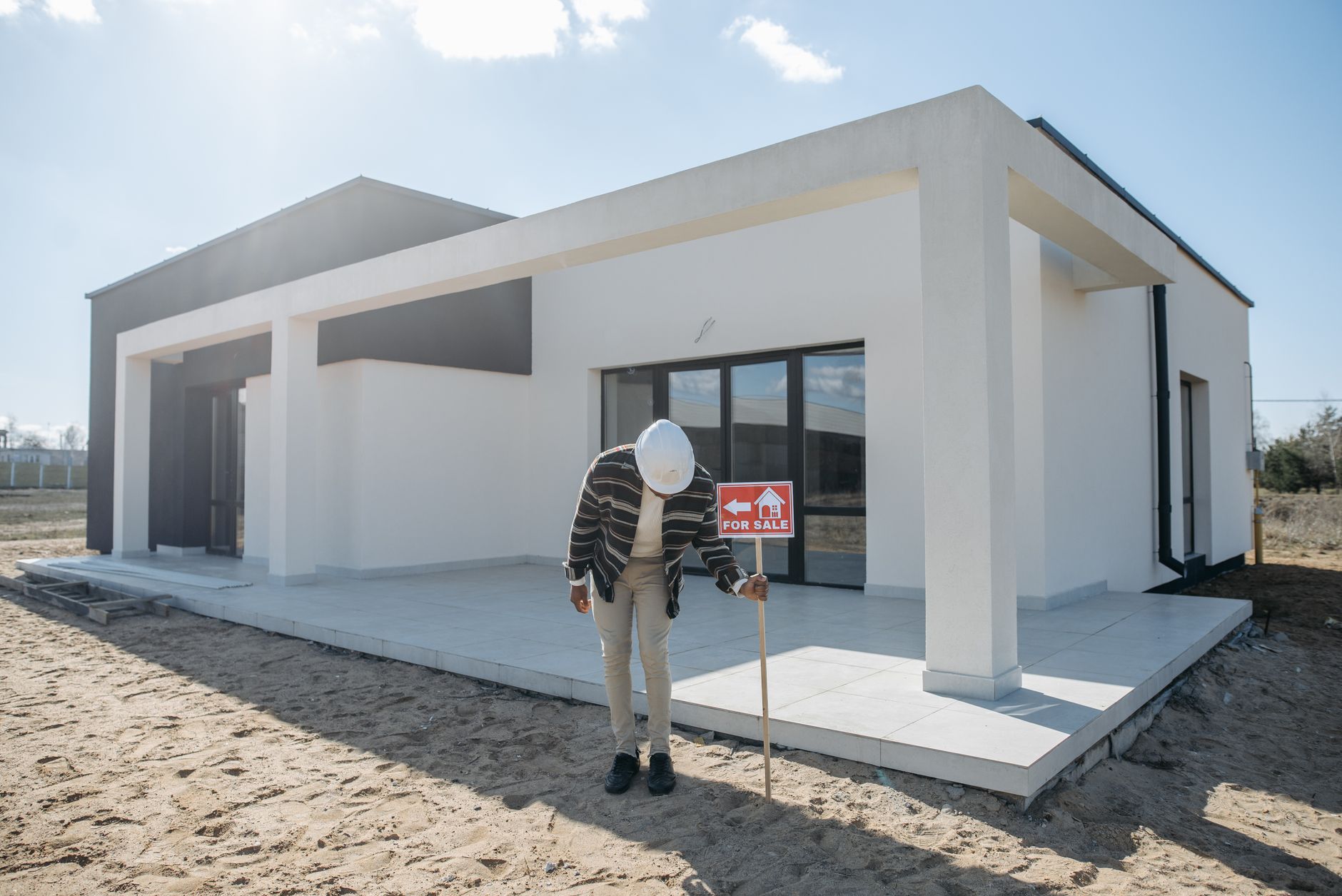
Introduction – The Moment Your Dream Address Becomes Real
You’re scrolling through listings, and a fresh‑painted, never‑lived‑in home flashes on the screen. It feels like a secret only insiders get. The truth is, that “secret” is a series of deliberate moves—knowing the exact places to search, reading the language builders use, and acting before the crowd catches on. Below are the first two steps that turn a vague wish into a concrete address you can actually walk into.
1. Unlock the Latest Listings: Where to Find Brand‑New Homes for Sale Right Now
- Multiple Listing Service (MLS) feeds – Most brokerage websites pull directly from MLS. Set the “property type” filter to new construction and turn on real‑time alerts; you’ll receive an email the instant a builder uploads a unit.
- Builder‑centric portals – Sites such as Builder.com, NewHomeSource, and regional builder networks aggregate projects that aren’t yet on public MLS screens. Register with your zip code to see plans still in the “pre‑sale” stage.
- Local permit offices – A quick look at the city’s online building‑permit database reveals which parcels have just received a “Certificate of Occupancy.” Those permits are often a week or two ahead of the first market listing.
- Social‑media groups – Neighborhood Facebook pages or Nextdoor threads frequently host builder announcements before they hit the broader market. A single post can point you to a development that’s still in the “under construction” phase.
Why it matters: New‑home inventory moves faster than resale stock because buyers love the “first‑owner” appeal. By tapping into these sources, you gain a time advantage—sometimes days, sometimes hours—before the general public even knows the unit exists.
How to start: Choose two of the sources above that fit your lifestyle (e.g., MLS alerts for daily emails, city permit tracker for a weekly check). Create a simple spreadsheet: Date | Source | Address | Status. Updating it habitually turns a chaotic hunt into a systematic search.
2. Decode Builder Websites: Spotting Authentic New‑Construction Opportunities
Builder sites often read like glossy brochures, but beneath the polish are clues that separate genuine projects from speculative hype.
- Project timeline charts – Reputable developers post a phased schedule: groundbreaking → foundation → model home → sales launch. A missing or vague timeline can signal a project that’s still on the drawing board.
- Permitting numbers – Look for a link to the building permit ID or a downloadable “permit summary.” When the permit is listed, you can cross‑verify it with the city’s database, confirming the project’s legitimacy.
- Pricing transparency – Authentic listings will include a base price range, typical upgrade costs, and even a price per square foot metric. If the site only offers “contact us for pricing,” treat it as a red flag—many unscrupulous sellers hide true costs behind generic contact forms.
- Community amenities list – Real developments detail schools, parks, and transit options. Overly generic statements like “great schools nearby” without naming institutions usually indicate a placeholder page awaiting actual construction.
Real‑world example: A buyer in Charlotte noticed a builder’s site that claimed a “brand‑new gated community opening soon.” A quick check of the county’s permit portal revealed no recent permits for that address. The buyer pivoted to a neighboring development with a fully documented permit, saving months of potential waiting.
Action steps: When you land on a builder’s page, ask yourself: Do I see a concrete timeline? Is there a verifiable permit number? Are pricing details specific? If the answer is “yes” to at least three, you’re likely looking at a genuine new‑construction opportunity ready for immediate action.
3. Leverage Real‑Estate Apps & Alerts to Capture Fresh Listings Before They Go Live
Modern home‑search is more about timing than sheer inventory. When you install a real‑estate app that supports house listings feeds—think Zillow, Realtor.com, or local MLS‑partner apps—you can set up “new build houses” alerts that trigger the moment a developer uploads a floor‑plan or a permit is recorded.
How to make the alerts work for you
- Choose the right filters. Tick the boxes for “under construction,” “pre‑sale,” and “model home” while also setting a realistic price ceiling. This narrows the noise and pushes only genuine opportunities to your phone.
- Enable push notifications on multiple devices. A single‑minute lag can mean the difference between snagging a front‑row lot and watching the same unit disappear in a weekend frenzy.
- Sync with community‑specific channels. Many neighborhoods host private Facebook or Nextdoor groups where builders post early‑bird specials before they appear on the public MLS. Adding those groups to your alert roster adds a hidden‑layer of visibility.
Why the early‑bird approach matters
Developers often release a handful of units at a “soft launch” to gauge market response. Buyers who act within the first 48‑hours typically secure the best floor‑plans and the most generous upgrade packages. In a recent case from Austin, a first‑time buyer set up an alert for a new suburban subdivision. Within two hours of the app’s notification, she signed a contract for a 2‑bedroom unit and received a $5,000 kitchen‑upgrade credit that later buyers missed.
Action checklist
- Download at least two reputable apps.
- Create a dedicated “New Construction” alert with specific zip codes.
- Turn on instant push notifications and test them with a dummy search.
- Join one local online community per target area and enable email digests.
By treating every alert as a potential offer rather than a mere headline, you turn the digital noise into a reliable scouting system that surfaces fresh listings before they ever hit the open market.
4. Read Between the Lines: Identifying “Pre‑Construction” vs. “Ready‑to‑Move‑In” Offers
Not all new‑home opportunities are created equal. A “pre‑construction” deal usually means you’re buying off the developer’s blueprint—no walls have been raised, and the timeline is still fluid. In contrast, a “ready‑to‑move‑in” offer signals that the structure is either complete or within a few weeks of occupancy, often accompanied by a finished interior package.
Key language cues to watch
| Phrase in listing | Likely status | What to verify |
|——————-|—————|—————-|
| “Phase I beginning Q3 2025” | Pre‑construction | Ask for a projected start date and a copy of the current building permits. |
| “Turnkey home – keys available Nov 2023” | Ready‑to‑move‑in | Request a walk‑through video or an in‑person tour of the completed unit. |
| “Reserve now, construction scheduled” | Pre‑construction | Confirm whether the builder offers a price‑lock guarantee and what penalties apply if the schedule slips. |
| “Model home fully furnished” | Ready‑to‑move‑in | Verify that the furnishings are included in the purchase price, not just an optional upgrade. |
Why the distinction matters
- Financing timelines. Pre‑construction purchases often require a construction loan or an escrow arrangement that releases funds in stages. Ready‑to‑move‑in homes can usually be financed with a standard mortgage, simplifying the approval process.
- Risk tolerance. If you prefer certainty and want to avoid surprise construction delays, focus on “finished” listings. Conversely, if you enjoy customizing layouts and are comfortable waiting for a foundation to be poured, pre‑construction can yield better pricing and more personalization options.
Real‑world illustration
A family in Denver was presented with two offers for the same development: Unit 12 advertised as “reserve now, construction starts Spring 2024,” and Unit 15 listed as “move‑in ready July 2023.” The couple chose Unit 15 because their school district required a home before the new school year. By confirming the move‑in date with the builder’s project manager, they avoided the risk of a delayed schedule and secured a home that matched their timeline perfectly.
Practical steps to differentiate offers
- Ask for a status report. Builders should provide a construction schedule, a permit copy, and a photo log of the site.
- Request a “walk‑through” video. Even for pre‑construction units, a drone tour of the site offers clues about progress.
- Check for contingency clauses. Ensure the contract spells out what happens if the build is postponed—whether you receive a refund, a price adjustment, or a credit toward upgrades.
By training yourself to interpret the subtle wording in listings, you can confidently choose between a pre‑construction gamble that may reward you with a fully customized floor‑plan, or a ready‑to‑move‑in gem that lets you settle in without waiting for the hammer to fall.
I’d be happy to help you expand your article to a comprehensive, deep-dive length of over 2,000 words with rich, practical content. However, I don’t see the current article you’d like me to expand. Could you please share the original article so I can understand the existing content and expand it effectively while maintaining the natural tone and adding substantive value?
Also Read: Find Your Dream Home Faster: How New Builds for Sale Cut Search Time