Introduction
When the “For Sale” sign finally comes down, you want to know that every dollar you poured into upgrades, repairs, and marketing finally paid off. The difference between a property that lingers on the market and one that snaps up at a premium often boils down to a handful of strategic moves—timing, presentation, and pricing. Below you’ll find the first two of those moves, broken down into actionable steps you can start applying today.
1. Unlock the Market’s Sweet Spot: Timing Your Sale for Maximum Profit
- Watch the seasonal rhythm. Historically, spring (late March through early June) brings the highest buyer activity, but local school calendars and tax‑refund cycles can shift that window.
- Gauge inventory levels. When the number of homes for sale drops below the number of active buyers, sellers gain leverage; tools like the “months of supply” metric give a quick readout.
- Read interest‑rate trends. Even a modest rise—say 0.25%—can tighten buyers’ budgets, prompting quicker decisions on well‑priced homes.
How to spot the optimal window: Start by pulling the latest MLS report for your zip code and note the median days on market (DOM). If the current DOM is trending downward and inventory is low, you’re likely in the seller’s market sweet spot. Conversely, if DOM is climbing and new listings flood the board, consider holding off or pricing more aggressively.
Why timing matters: Buyers tend to be more decisive when competition is thin, and lenders are less likely to tighten underwriting during low‑inventory periods. By aligning your listing with that natural ebb, you reduce the time your home sits empty while preserving—or even boosting—your final sale price.
2. Stage to Captivate: Proven Home‑Staging Techniques That Wow Buyers
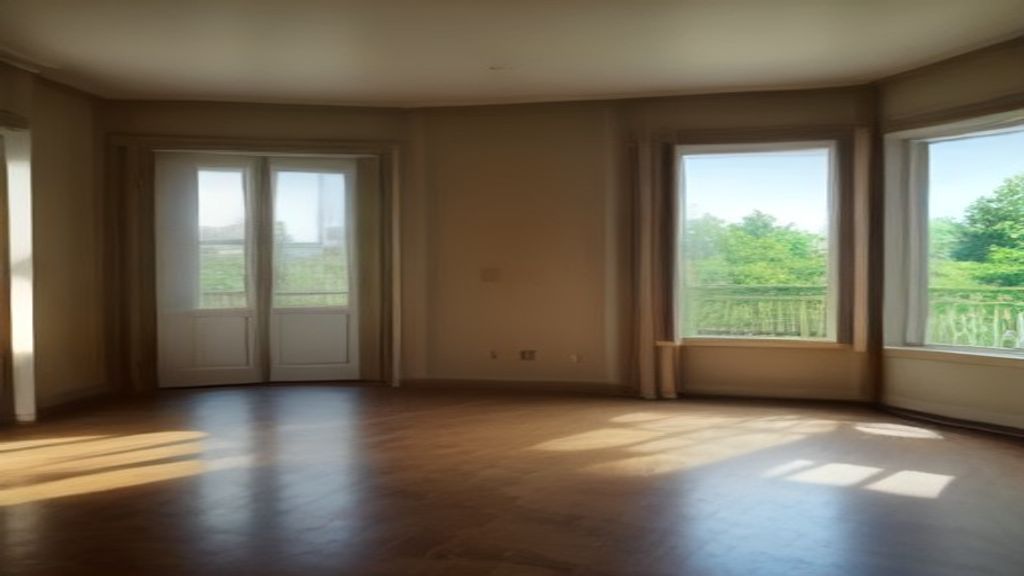
- Neutralize the palette. Swap bold accent pieces for muted tones; a soft‑gray sofa or cream walls lets buyers envision their own belongings.
- Create clear pathways. Remove excess furniture so each room has a natural flow; a clear route from the front door to the kitchen signals spaciousness.
- Highlight the focal point. Whether it’s a fireplace, a view, or a modern kitchen island, arrange furniture and lighting to draw the eye there first.
Step‑by‑step visual upgrades:
- Declutter & Depersonalize – Pack away family photos, collectibles, and any items that could distract.
- Refresh, don’t replace – A fresh coat of paint in a neutral hue often outperforms costly new furniture; similarly, polishing hardwood floors can add a “new‑home” feel.
- Add soft texture – Throw pillows, plush rugs, and linen curtains soften spaces, making them feel lived‑in yet inviting.
How staging boosts perceived value: Studies from real‑estate professionals suggest that staged homes can command 5‑10% higher offers because buyers subconsciously associate tidy, well‑arranged spaces with better maintenance and fewer hidden problems. A well‑staged property also photographs better, which means more clicks online and more foot traffic at open houses—both essential ingredients for a swift, high‑priced sale.
3. Price It Right, Sell It Fast: Data‑Driven Pricing Strategies
A well‑timed price can be the difference between a home that lingers on the market and one that sparks a bidding war. The secret isn’t guesswork—it’s a blend of local market data, buyer psychology, and a few smart shortcuts that keep you competitive without leaving money on the table.
3.1 Start with a Comparative Market Analysis (CMA)
- Gather recent sales – Look at properties that closed within the last 30‑60 days in your zip code, ideally those with similar square footage, lot size, and age.
- Adjust for upgrades – If your kitchen was remodeled last year, add a modest premium; if the neighbor’s house still has carpet, you can subtract a few thousand.
- Factor in inventory – When listings outnumber buyers, a slight price cut (often 2‑4 %) can attract attention faster. Conversely, in a seller’s market, you might price at the top of the range and let demand drive the final number.
Practitioners recommend revisiting the CMA weekly during the listing period because new comps appear constantly, especially in hot neighborhoods.
3.2 Use “Price Bracketing” to Guide Buyer Perception
Buyers often filter homes by round numbers (e.g., $350 k, $400 k). By pricing just below a psychological threshold—say $349,900 instead of $350,000—you capture the lower‑priced traffic while still sitting near the higher bracket. This technique, sometimes called “charm pricing,” has been shown to increase click‑through rates on most listing portals, including the best home buying sites that many agents rely on for exposure.
3.3 Leverage Automated Valuation Models (AVMs) Wisely
Tools like Zillow’s Zestimate or Redfin’s estimate provide a starting point, but they’re calibrated for broad trends, not the nuances of a single property. Use an AVM as a sanity check, then fine‑tune the number with your CMA findings. If the AVM suggests $385 k and your local data points to $410 k, the discrepancy is a cue to dig deeper—perhaps a recent school‑district rezoning or a new transit line has boosted demand.
3.4 Set a “Smart” Listing Price
- Anchor high, but stay realistic – Begin with a price that reflects the top of your CMA range; this creates room for negotiation.
- Add a “price‑drop” trigger – If the home hasn’t received an offer after 14 days, schedule a pre‑planned reduction (often 1‑2 %). Buyers are trained to watch for these drops, and a fresh price can reignite interest without seeming desperate.
3.5 Monitor Market Feedback in Real Time
When the first showing round ends, ask agents for concrete feedback: “Did the price feel right?” or “What feature stood out?” If the consensus leans toward “price too high,” adjust quickly rather than waiting for a stale listing to lose momentum.
By anchoring your price in hard data, respecting buyer psychology, and staying agile, you create a pricing engine that pulls offers forward—often before the first open house is even scheduled.
4. Craft Irresistible Listings: Copy, Photos, and Virtual Tours That Convert
Even the most meticulously priced home can stall if its online presence doesn’t capture attention within the first few seconds. Today’s buyers scroll faster than ever, so your listing needs a headline that stops the thumb, photos that feel like a walkthrough, and a virtual experience that answers “what‑if” questions before they even step inside.
4.1 Write Headlines That Speak Benefits, Not Features
Instead of “4‑Bedroom Colonial on Maple Street,” try “Spacious 4‑Bedroom Home with Sun‑Lit Backyard—Perfect for Growing Families.” Notice the shift: the headline now tells the buyer why the property matters. Use power words like “bright,” “move‑in ready,” or “private” to trigger emotion.
4.2 Structure the Copy for Scannability
- Opening hook (2‑3 sentences) – Highlight the most marketable attribute (e.g., “Entertain effortlessly in the open‑concept kitchen with quartz countertops”).
- Bullet‑point amenities – List key features such as “Hardwood floors throughout,” “Energy‑efficient HVAC,” and “Two-car attached garage.”
- Neighborhood snapshot – Briefly mention nearby schools, parks, or commuter routes; buyers love a sense of place as much as a floor plan.
Keep each paragraph under four sentences and use active verbs (“enjoy,” “discover,” “relax”) to maintain momentum.
4.3 Photography: Light, Angle, and Storytelling
- Shoot in natural light – Open curtains early morning; the soft glow reduces shadows and showcases true colors.
- Use a wide‑angle lens – Capture the full flow from the entryway to the living room; this gives the impression of spaciousness.
- Stage a focal point – If the master suite has a view of the backyard, position the bed to face that window; the eye is drawn outward, reinforcing the idea of a “private oasis.”
After the shoot, edit lightly to correct exposure but avoid over‑processing, which can backfire when buyers see the home in person.
4.4 Virtual Tours and 3‑D Walkthroughs
A 3‑D walkthrough lets buyers explore the layout at their own pace, pausing to examine details like crown molding or built‑in shelving. Platforms such as Matterport have become standard, and even premium listings like sotheby homes often include immersive tours as a baseline. When uploading, add a concise call‑to‑action (“Start your virtual tour now”) to encourage interaction.
4.5 Optimizing for the Best Home Buying Sites
Most prospective buyers begin their search on a handful of popular portals. Ensure your listing’s metadata—title, description, and photo captions—contains relevant phrases (e.g., “move‑in ready,” “updated kitchen”) without keyword stuffing. A well‑optimized entry will appear higher in the results of the best home buying sites, increasing organic traffic and reducing reliance on paid ads.
4.6 A Quick Checklist Before Publishing
- ✅ Headline includes a benefit and a standout feature.
- ✅ Copy follows the hook → bullet points → neighborhood flow.
- ✅ Three to five high‑resolution photos, each properly lit and staged.
- ✅ A 3‑D virtual tour is linked and functional.
- ✅ All property details (square footage, lot size, year built) are accurate.
Cross‑checking this list saves you from the embarrassment of a mismatched square footage or a missing photo, both of which can cause potential buyers to click away.
By marrying data‑driven pricing with a magnetic online presentation, you give your home the dual advantage of being priced right and presented right—two forces that together accelerate offers and maximize your final sale price.
When you combine market timing with strategic preparation, compelling presentation, and savvy negotiation, you transform the sale of your property from a stressful experience into a calculated move toward financial growth. The true value of these strategies isn’t just in getting top dollar today, but in creating momentum for your next chapter—whether that’s upgrading to your dream home, investing in rental properties, or diversifying your portfolio. Start implementing these proven approaches now, and watch as the pieces fall into place, creating a selling journey that’s not just successful, but empowering. Your property deserves to shine in its best light, and with these tools in hand, you’re ready to make it happen.
Also Read: Find Your Ideal Home Fast: New Property for Sale Checklist